The biggest contributing factor to health is what you eat. I believe most of us are aware by now that the food industry does NOT have our best interest in mind.
Read More
The biggest contributing factor to health is what you eat. I believe most of us are aware by now that the food industry does NOT have our best interest in mind.
Read MoreHeat exhaustion is a condition that happens when the body loses too much water and salt—usually through excessive sweating and not keeping hydrated. It’s not just about being hot; it’s about the stress the heat places on your nervous system, muscles, and adrenal glands.
Early signs of heat exhaustion include:
Read MoreIf you fall asleep in 5 minutes or less, it indicates you already suffer from sleep deprivation. Obviously there are times when we go to bed so tired that we fall asleep as soon as the head hits the pillow but that should not be an every night occurrence. In cases like those, it is important to get more sleep each night.
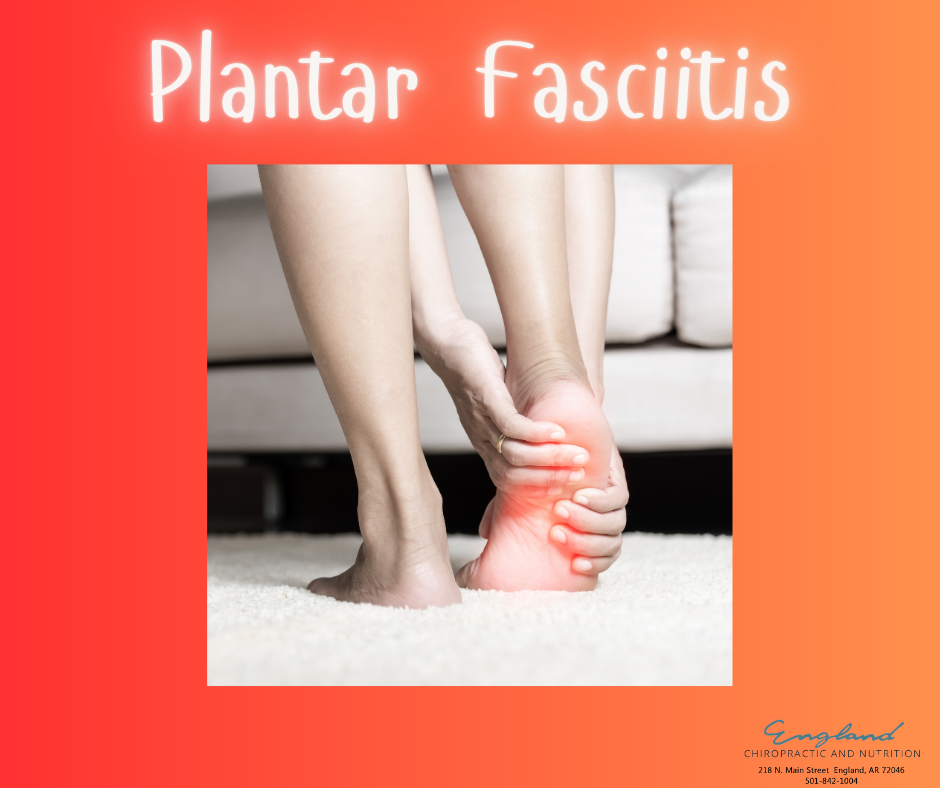
Read MorePlantar fasciitis is one of the most common causes of heel pain, but it doesn't have to become a chronic problem. Learn what causes plantar fasciitis, why collapsed arches matter, and how chiropractic care, custom orthotics, and simple lifestyle changes can help you get back on your feet.
Read MoreAre you familiar with the phrase, “Begin with the end in mind”. It is actually a secret for manifesting what you want and desire in your life, for better or for worse. You can find this phrase - or one that captures the essence of the meaning – in many self-help books that teach us how to achieve our goals and aims in life.
Read MoreDid you know that the #1 cause of acute liver failure and death in the US is acetaminophen toxicity and overdose? I found that statistic shocking since millions of people take Tylenol or some other form of acetaminophen every day. The liver is one of the most important organs in the body. It is the detox center of the body and is responsible for clearing the most obnoxious chemicals, drugs and medications from the body.
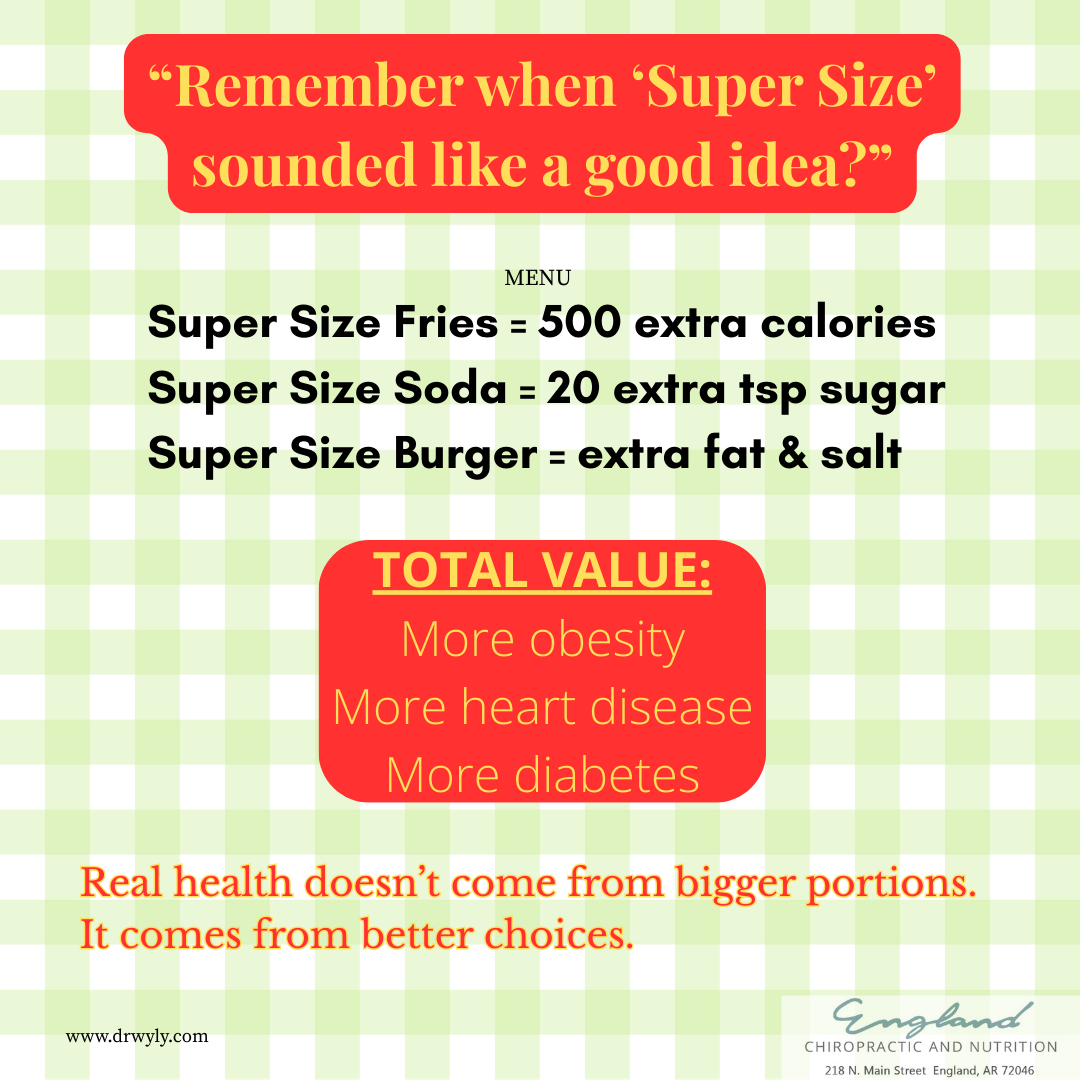
Read MoreNot that long ago, fast-food chains convinced us that bigger was better. For just a few extra cents you could “super size” your fries and drink and feel like you were getting a great deal.
Then filmmaker Morgan Spurlock released his documentary Super Size Me and showed the world what happens when the Standard American Diet becomes a daily habit. In just 30 days, the impact on his body was dramatic—and it helped spark a national conversation about food and health.
Read MoreThis May marks my 20th year in practice here in England — and I honestly can't think of a better way to honor that milestone than by spending a day with the people who made it possible: you!
Read MoreA recent legal judgment against Meta and YouTube has brought something important into the spotlight. A jury determined that these platforms were not simply providing content—but were intentionally designing systems to keep users engaged, even addicted, to what they were watching.
Why?
Because the longer we stay engaged, the more valuable our attention becomes. In order to market products and services to us, one thing has to happen first: 👉 We have to keep watching.
Read MoreOver the past year, my shoulder surgery has been a tremendous success. My strength and mobility continue to improve, and I’m grateful for the skill of my surgeon and the technology that made it possible.
But recently, I began experiencing some unexpected symptoms that led me to take a deeper look at the “biodegradable” implants used in my repair—and what that term really means.
In this week’s blog, I share my personal experience,
Read More