Blog
Featured

The biggest contributing factor to health is what you eat. I believe most of us are aware by now that the food industry does NOT have our best interest in mind.
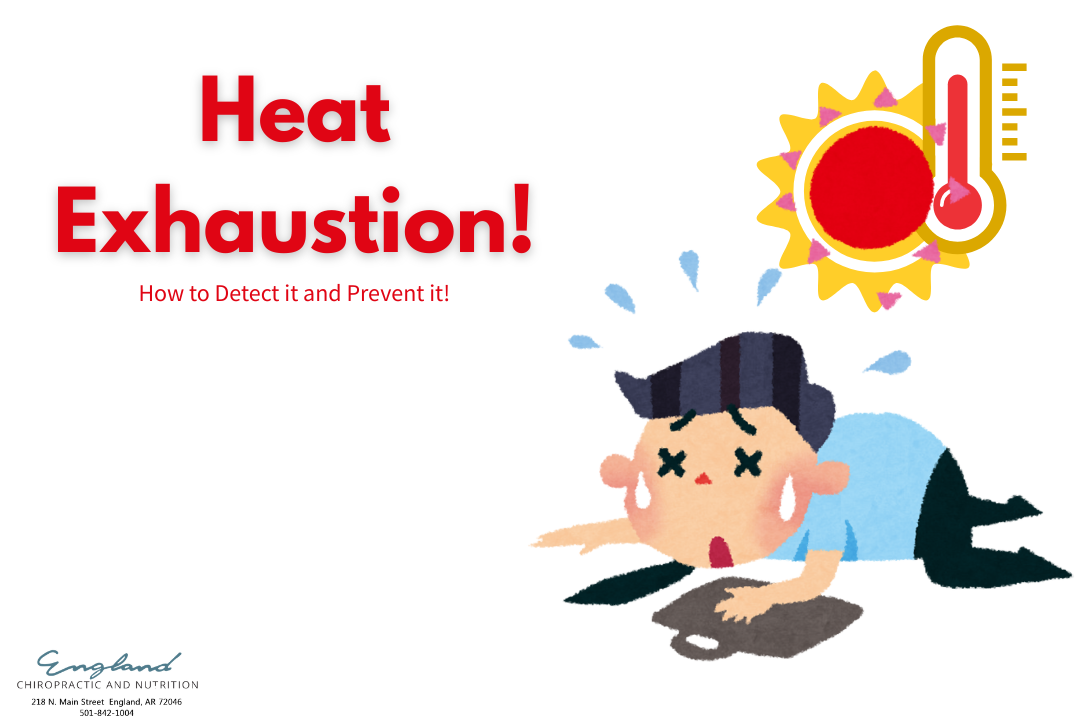
Heat exhaustion is a condition that happens when the body loses too much water and salt—usually through excessive sweating and not keeping hydrated. It’s not just about being hot; it’s about the stress the heat places on your nervous system, muscles, and adrenal glands.
Early signs of heat exhaustion include:
If you fall asleep in 5 minutes or less, it indicates you already suffer from sleep deprivation. Obviously there are times when we go to bed so tired that we fall asleep as soon as the head hits the pillow but that should not be an every night occurrence. In cases like those, it is important to get more sleep each night.
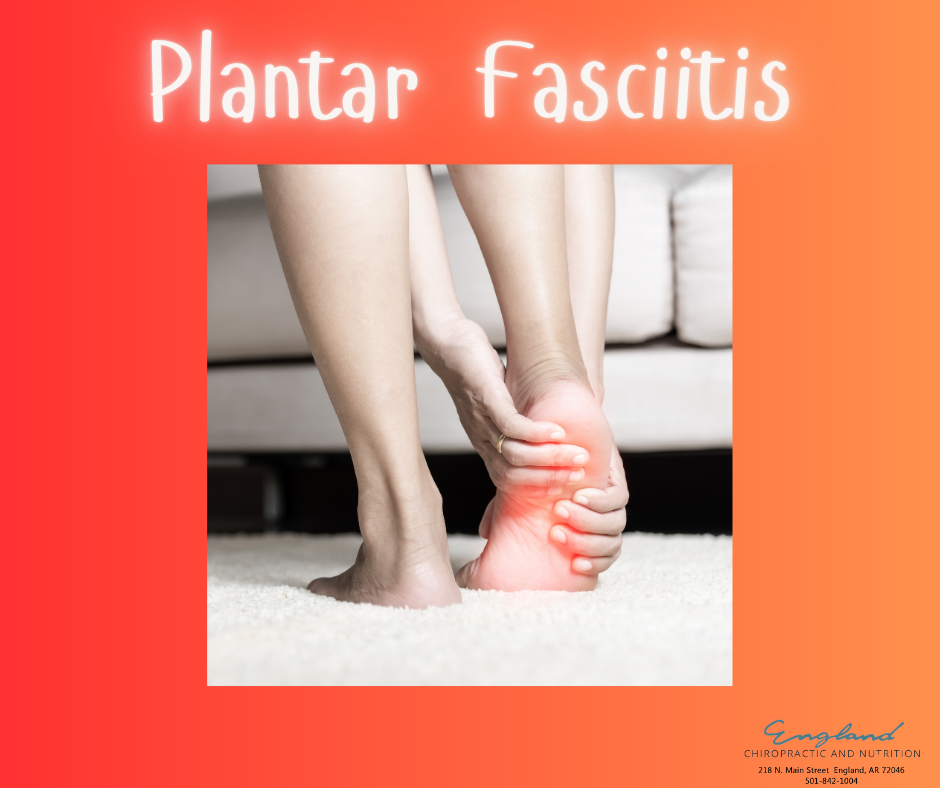
Plantar fasciitis is one of the most common causes of heel pain, but it doesn't have to become a chronic problem. Learn what causes plantar fasciitis, why collapsed arches matter, and how chiropractic care, custom orthotics, and simple lifestyle changes can help you get back on your feet.